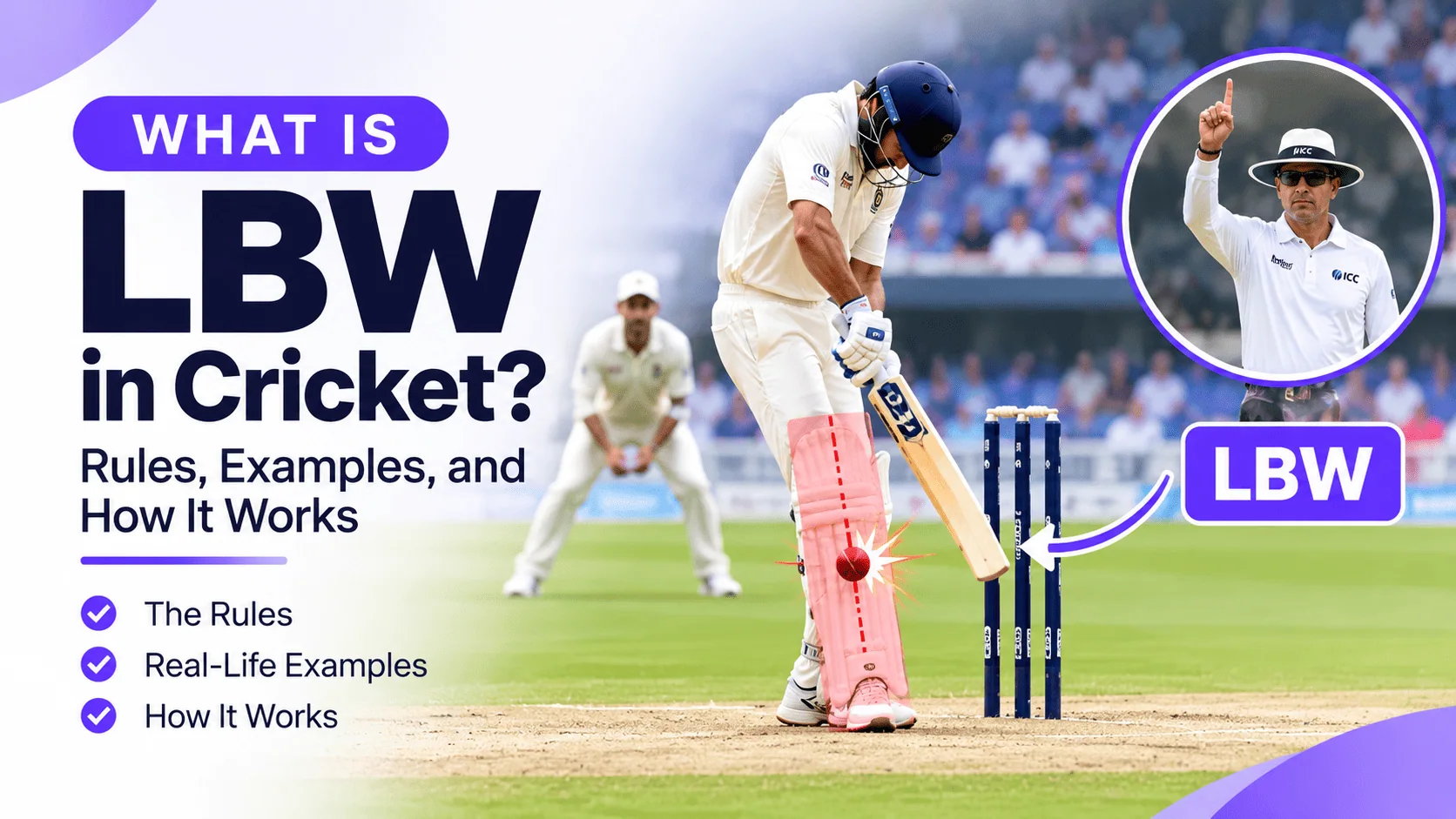
One delivery. One appeal. One raised finger. And suddenly, a batter’s entire innings comes to an end. But what makes a ball hitting the batter’s pad powerful enough to decide their fate?
That’s the beauty of LBW (Leg Before Wicket), one of cricket’s most intriguing and game-changing dismissal rules.
LBW is much more than a ball hitting a batter’s leg. It is a battle of precision, technique, timing, and judgment, where even a fraction of an inch can separate an unbeaten batter from a walk back to the pavilion. From the ball’s pitching position to its point of impact and projected direction, every detail matters.
Whether you’re a beginner learning cricket, an aspiring player improving your game, or a passionate fan debating a close umpiring decision, understanding LBW will give you a completely different perspective on the sport.
So, what exactly is LBW in cricket, how does the rule work, and under what circumstances can an umpire declare a batter out?
Let’s break it all down.
What Is LBW in Cricket?
LBW stands for Leg Before Wicket. It is a method of dismissing a batter when a delivered ball hits their body, usually the leg or pad, instead of the bat, and would otherwise have hit the stumps, provided all the conditions of the LBW law are satisfied.
In simple terms, if a batter illegally or unsuccessfully uses their body to prevent a ball from hitting the wickets, the fielding team may appeal for an LBW dismissal.
However, not every ball that hits a batter’s leg results in an LBW. The umpire must consider where the ball pitched, where it struck the batter, whether the batter attempted to play a shot, and whether the ball would have hit the stumps.
The rule is designed to prevent batters from using their legs as an alternative to their bat to protect the wickets.
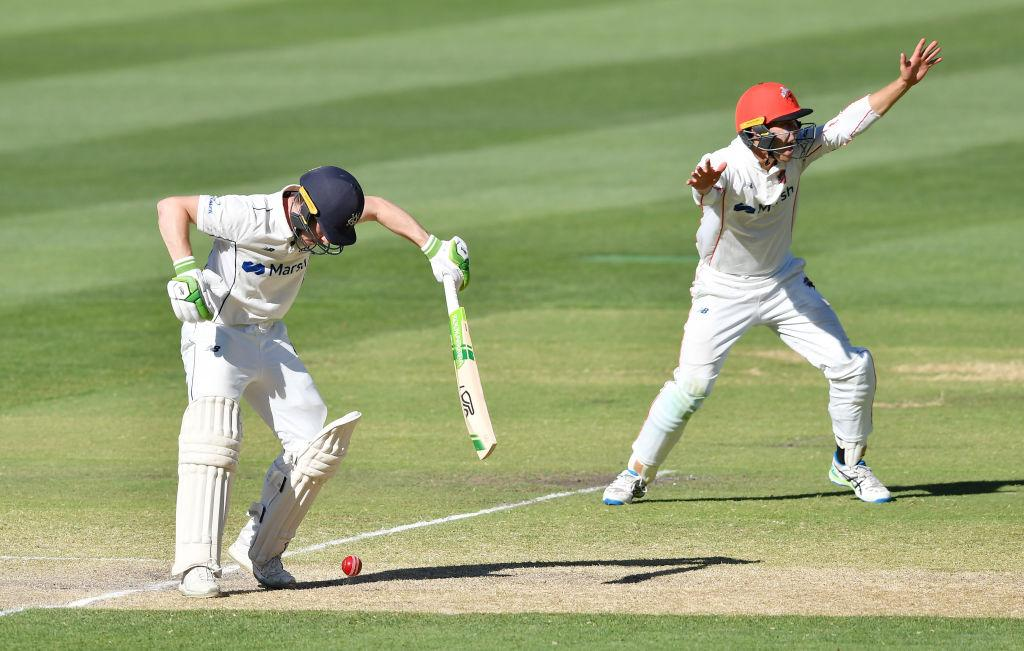
Quick example: A bowler delivers a straight ball that pitches in line with the stumps. The batter misses the ball while attempting a defensive shot, and it strikes their front pad. If the ball would have hit the stumps, the umpire can give the batter out LBW.
How Does the LBW Rule Work in Cricket?
The LBW rule is governed by Law 36 of the Laws of Cricket, published by the Marylebone Cricket Club (MCC). The 2026 edition retains the five essential conditions that determine whether a batter can be dismissed LBW.
For an LBW dismissal to be valid, all five conditions must be satisfied.
1. The Delivery Must Not Be a No-Ball
The bowler must deliver a legal ball. If the umpire calls a no-ball, the batter cannot be dismissed LBW from that delivery.
Even if the ball hits the batter’s pad directly in front of the stumps, the batter cannot be given out LBW if the delivery is a no-ball.
2. The Ball Must Pitch in the Correct Area
If the ball pitches before hitting the batter, it must land either between the two sets of wickets or on the off side of the striker’s wicket.
A ball that pitches outside the leg stump cannot result in an LBW dismissal.
This is one of the most important parts of the rule because it protects batters from being dismissed when bowlers deliberately target the leg side.
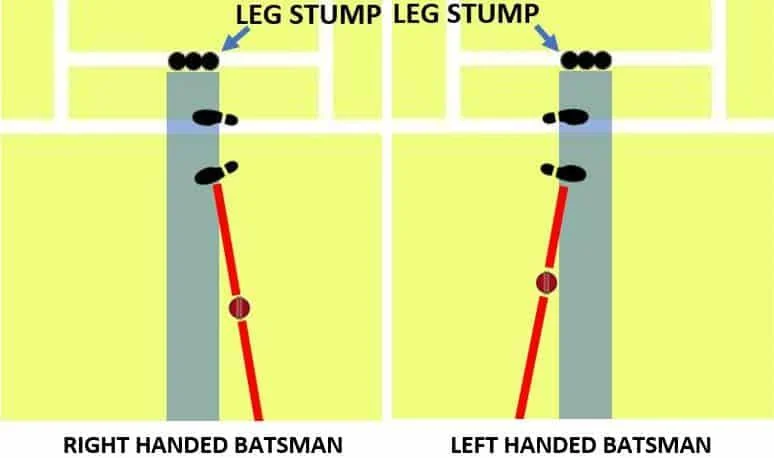
Remember: A ball pitching outside off stump can still result in an LBW dismissal. The restriction applies to the leg side, not the off side.
There is also an important exception: if the ball reaches the batter without pitching (a full toss), the pitching-position condition does not apply.
3. The Ball Must Hit the Batter Before the Bat
For an LBW dismissal, the ball must hit some part of the batter’s body before touching the bat.
This usually means the ball strikes the front pad, back pad, leg, or another part of the body.
However, if the ball touches the bat before hitting the pad, the batter cannot be dismissed LBW.
There is an important detail here: the hand or hands holding the bat are considered part of the bat under the Laws of Cricket. Therefore, a ball hitting the glove of a hand holding the bat is treated differently from one hitting the body.
4. The Impact Must Be in the Correct Line
The point where the ball hits the batter is another critical factor.
Under the LBW rule, the ball must impact between the two wickets, regardless of whether the impact occurs below or above the level of the bails.
However, there is one important exception.
If the batter makes no genuine attempt to play the ball with the bat, the impact can also be outside the line of the off stump.
Let’s understand this through two situations.
Situation A: Batter attempts to play a shot
If the batter attempts a genuine shot but misses the ball, an impact outside the off stump generally means not out.
Situation B: Batter offers no genuine shot
If the batter makes no genuine attempt to play the ball, an impact outside the off stump can still result in an LBW dismissal, provided the other conditions are satisfied.
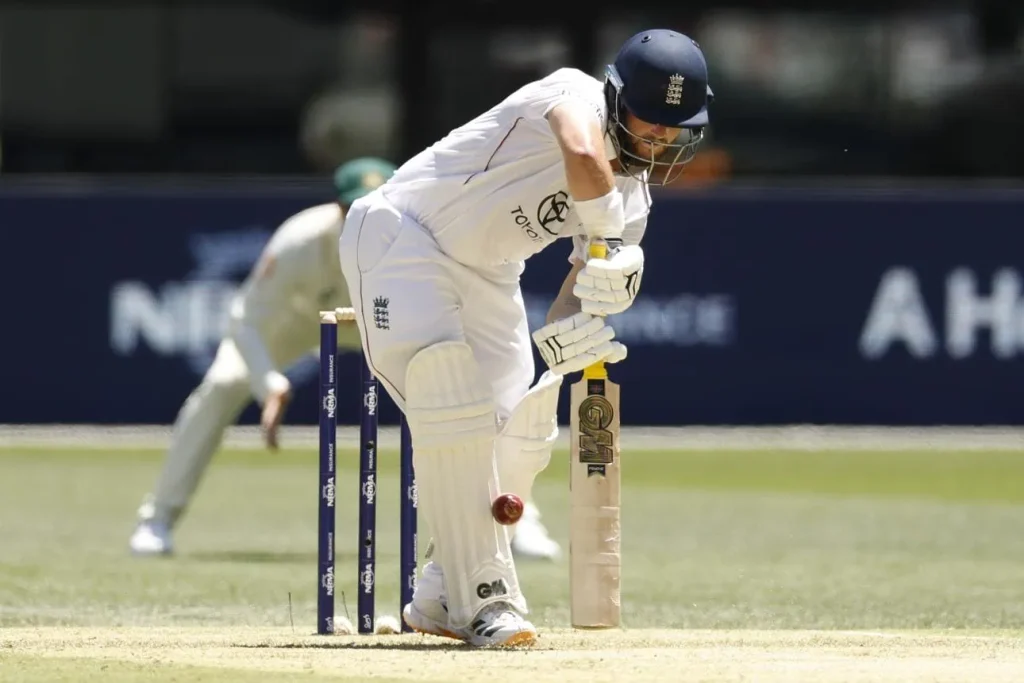
5. The Ball Must Be Going on to Hit the Stumps
This is perhaps the most decisive condition in an LBW decision.
Even if the ball pitches correctly and hits the batter’s pad without touching the bat, the batter is not out unless the ball would have hit the stumps.
Umpires must judge the projected path of the ball after it makes contact with the batter.
For example, if a bowler delivers a straight ball and it strikes the batter’s pad directly in front of the middle stump, the batter may be out LBW.
But if the ball is turning away and would have missed the stumps, the batter is not out.
What Are the Five Conditions for LBW? Quick Summary
Here is a simple table to help you remember the five conditions.
| Condition | LBW requirement |
|---|---|
| Legal delivery | Must not be a no-ball |
| Pitching | In line or outside off stump |
| First contact | Body before bat |
| Impact | In line, unless no genuine shot is offered |
| Ball trajectory | Would hit the stumps |
The most important thing to remember: All five conditions must be satisfied. If even one condition is not met, the batter cannot be dismissed LBW.
When Is a Batter Not Out LBW?
Understanding when a batter is not out is just as important as understanding when they are out.
There are several situations where an LBW appeal must be rejected.
When the Ball Pitches Outside Leg Stump
If the ball pitches outside the leg stump, the batter cannot be given out LBW, even if it subsequently hits the pad directly in front of the middle stump.
When the Ball Hits the Bat First
If the ball touches the bat before hitting the batter’s body, it is not LBW.
This includes an inside edge that sends the ball onto the front pad.
When the Ball Hits Outside the Off Stump
If the batter makes a genuine attempt to play a shot and the ball hits them outside the off stump, they cannot be dismissed LBW.
However, this does not apply when the batter makes no genuine attempt to play the ball.
When the Ball Would Miss the Stumps
A ball can hit the batter’s pad perfectly in line and still result in a not-out decision.
If the projected trajectory shows that the ball would miss the stumps, the batter survives.
When the Delivery Is a No-Ball
A no-ball cannot result in an LBW dismissal.
These exceptions explain why an LBW appeal does not automatically mean the batter is out.
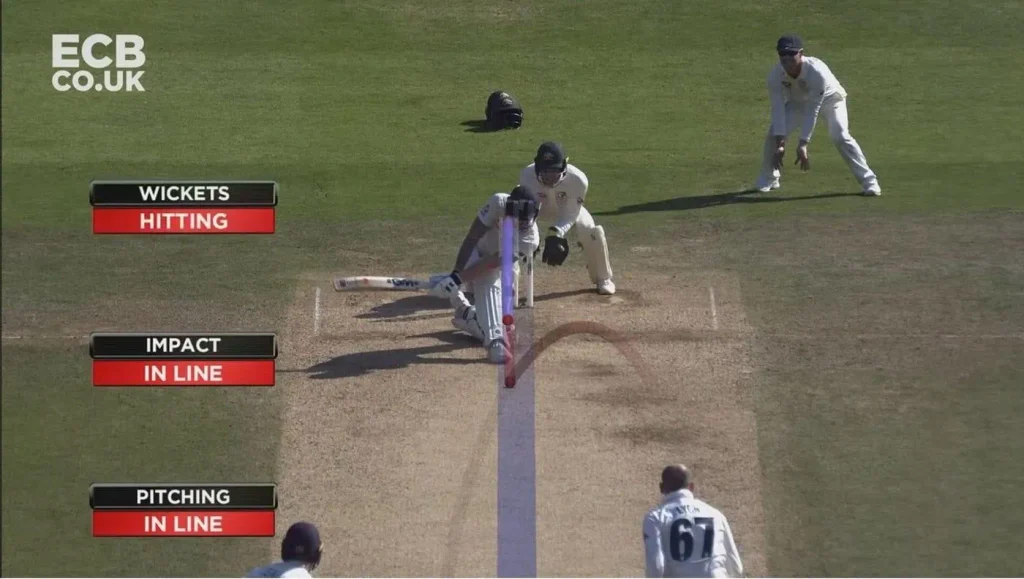
What Is the Difference Between Pitching, Impact, and Wickets in LBW?
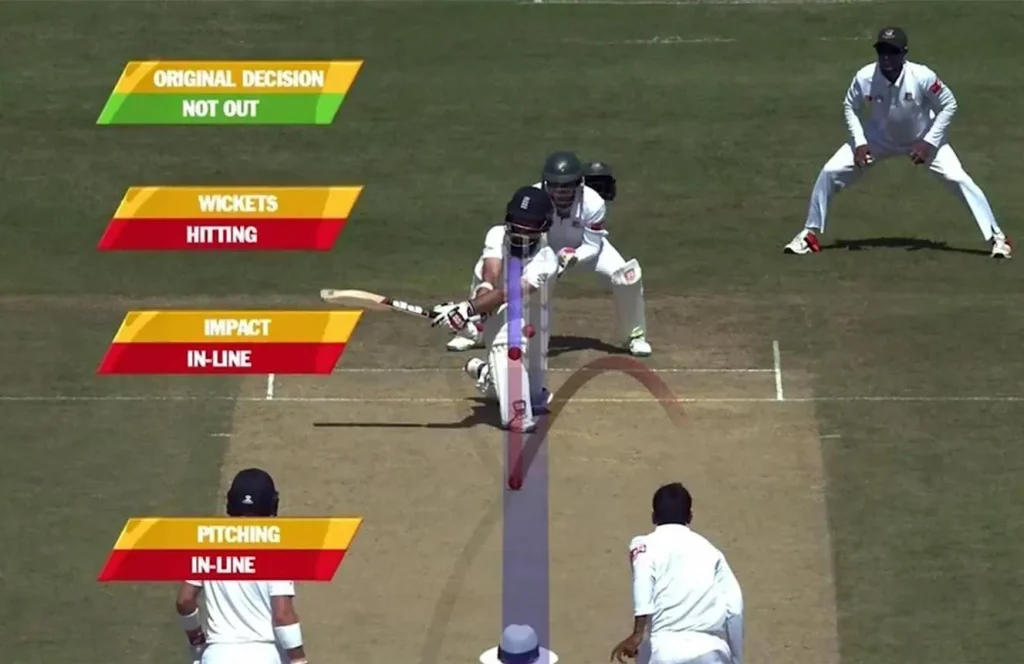
Cricket fans often hear commentators and umpires use three important terms during an LBW review: Pitching, Impact, and Wickets.
These terms describe the three stages of ball tracking technology.

| Term | Meaning | What the umpire checks |
|---|---|---|
| Pitching | Where the ball first lands | Whether it pitched in line or outside off |
| Impact | Where the ball first hits the batter | Whether the impact was in the permitted area |
| Wickets | The projected path of the ball | Whether it would hit the stumps |
Pitching
Pitching identifies where the ball first touches the playing surface before reaching the batter.
If it pitches outside the leg stump, an LBW dismissal is ruled out.
Impact
Impact refers to the first point where the ball touches the batter’s body.
The umpire checks whether the impact occurred in line with the stumps or whether the batter made no genuine attempt to play the ball.
Wickets
The wickets stage determines whether the ball would have hit the stumps if the batter’s body had not stopped it.
If ball tracking predicts that the ball would miss the stumps, the batter is not out LBW.
The ICC uses these three elements as part of its DRS review process.
What Is LBW in Cricket DRS?
The Decision Review System (DRS) is a technology-assisted system that helps cricket officials review on-field decisions.
LBW decisions are among the most common situations where DRS is used.
When a batter is given out LBW, they may request a review if the competition’s playing conditions allow it. Similarly, the fielding team can review a not-out decision.
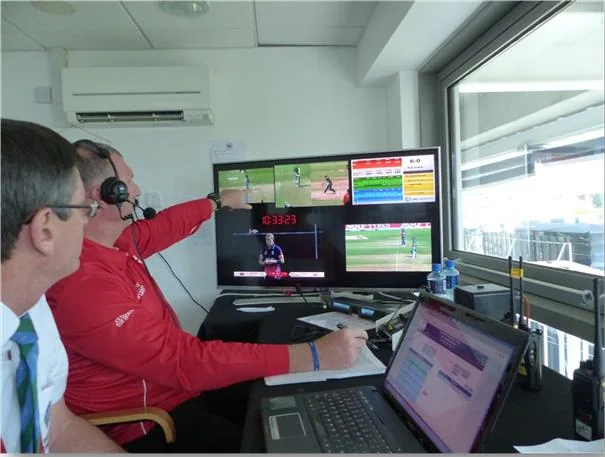
The third umpire uses available technology, including ball tracking, to assess the delivery.
How Does an LBW DRS Review Work?

Step 1: The On-Field Decision
The on-field umpire gives the batter out or not out following an LBW appeal.
Step 2: The Team Requests a Review
If a team disagrees with the decision, it can request a review within the permitted time and according to the competition’s playing conditions.
Step 3: The Third Umpire Checks the Delivery
The third umpire reviews available footage and checks whether the ball touched the bat before the batter’s body.
Step 4: Ball Tracking Technology Is Used
The technology displays pitching, impact, and the projected path of the ball toward the stumps.
Step 5: The Final Decision Is Communicated
After reviewing the evidence, the third umpire advises whether the original decision should stand or be overturned under the applicable review rules.
What Is Umpire’s Call in LBW?
Umpire’s Call is an important part of the DRS system.
It applies when ball-tracking technology indicates that certain parts of an LBW decision are marginal.
For example, the projected path may show that only a small portion of the ball would have clipped the stumps.
In such situations, the original on-field decision can remain unchanged under the applicable DRS rules.
This means a batter can remain not out even when the ball is predicted to clip the stumps, or a batter can remain out when the original decision was out.
Umpire’s Call recognizes the uncertainty involved in marginal technology-based measurements.
Common LBW Examples in Cricket
The easiest way to understand LBW is through practical match situations. Here are some common examples that explain how the rule works.
Example 1: Straight Delivery Hits the Front Pad
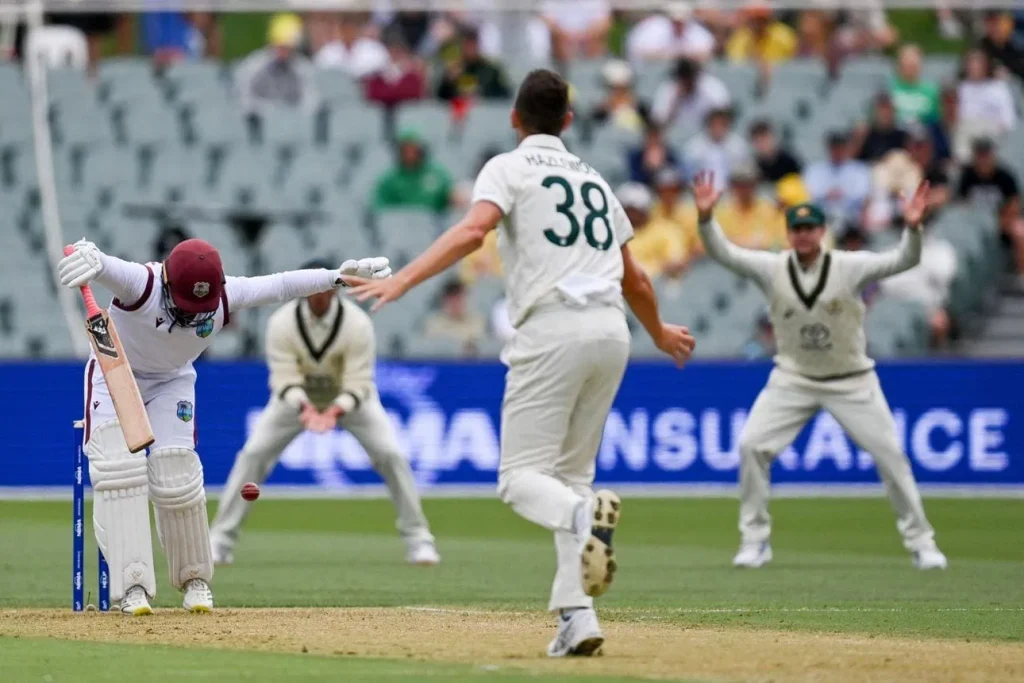
A fast bowler delivers a straight ball that pitches in line with the stumps. The batter attempts a defensive shot but misses the ball. It hits the front pad, and ball tracking confirms that it would have hit the middle stump.
Out LBW
All five conditions are satisfied.
Example 2: Ball Pitches Outside Leg Stump

A bowler delivers a ball that pitches outside the leg stump. The batter misses the shot, and the ball hits the pad directly in front of the wickets.
Not Out
The ball pitched outside the leg stump, so the batter cannot be dismissed LBW.
Example 3: Ball Hits the Bat Before the Pad
A batter attempts a defensive shot against a spin bowler. The ball takes an inside edge and then strikes the front pad. The ball would otherwise have hit the stumps.
Not Out
The ball touched the bat before hitting the batter’s body.
Example 4: Impact Outside Off Stump While Playing a Shot
A right-handed batter attempts a defensive shot against a delivery outside off stump. The ball misses the bat and hits the front pad outside the off stump.
Not Out
Because the batter made a genuine attempt to play the ball, the impact outside off stump prevents an LBW dismissal.
Example 5: Impact Outside Off Stump Without Playing a Shot
A batter deliberately leaves a delivery outside off stump without making a genuine attempt to play it. The ball hits the pad, and ball tracking shows that it would have hit the stumps.
Out LBW
The exception for a batter making no genuine attempt to play the ball applies.
Example 6: Ball Hits the Pad but Would Miss the Stumps
A bowler delivers a ball that pitches in line and strikes the batter’s front pad. However, the ball is turning away and would have missed the stumps.
Not Out
The projected trajectory does not show the ball hitting the wickets.
What Is the Role of the Umpire in an LBW Decision?
The on-field umpire plays a crucial role in determining whether a batter is out LBW.
When the ball hits the batter’s body, the bowler or fielding team may appeal by shouting, “How’s that?”
The umpire then considers the relevant conditions before making a decision.
The umpire must assess whether the delivery was legal, where the ball pitched, whether it hit the bat or body first, where the impact occurred, and whether the ball would have hit the stumps.
If the umpire believes all the necessary conditions are satisfied, they raise their index finger to signal that the batter is out.
If the conditions are not satisfied, the umpire signals or indicates that the batter is not out.
Why Is LBW Important in Cricket?
LBW is more than just another dismissal method. It has a major influence on bowling strategies, batting techniques, and match outcomes.
It Rewards Accurate Bowling
Bowlers who consistently target the stumps can create more LBW opportunities. Fast bowlers often use swing, seam movement, and variations in pace to make it difficult for batters to judge the ball’s direction.
It Encourages Better Batting Techniques
Batters must learn how to defend their wickets using proper batting techniques. They need to judge the line and length of deliveries and decide whether to play a shot, defend, or leave the ball.
It Makes Cricket More Tactical
LBW creates an interesting contest between bowlers and batters. Bowlers try to exploit weaknesses in batting technique, while batters adjust their footwork and shot selection to avoid being trapped in front of the wickets.
It Adds Drama to Cricket Matches
Few moments create as much excitement as a close LBW appeal. With DRS, even a seemingly obvious decision can become a dramatic review that changes the direction of a match.
How Can Batters Avoid Getting Out LBW?
Avoiding LBW requires good technique, concentration, and an understanding of the bowler’s intentions.
Develop Proper Footwork
Good footwork helps batters get into the correct position to play deliveries. Moving forward to a full-length ball or moving backward against a shorter delivery can help reduce the chances of being trapped in front.
Watch the Ball Carefully
Batters should closely observe the bowler’s hand, the ball’s release, and its movement after pitching. Reading the line and length early provides more time to make the right decision.
Use the Bat Effectively
Batters should aim to bring their bat into the line of the ball when playing defensive shots. A successful contact with the bat before the body prevents an LBW dismissal.
Improve Defensive Techniques
A strong defensive technique is essential, particularly when facing fast bowlers and quality spin bowling. Proper positioning, balance, and bat alignment help protect the wickets.
Learn When to Leave the Ball
Not every delivery needs to be played. Recognizing deliveries outside off stump and leaving them appropriately can help batters avoid unnecessary LBW appeals.
What Is the Difference Between LBW and Other Cricket Dismissals?
Cricket has several methods of dismissing a batter, and LBW is often confused with bowled or caught.
Here is how these dismissal methods differ.
| Dismissal | How the batter gets out |
|---|---|
| LBW | The ball hits the batter’s body and would have hit the stumps, subject to Law 36 |
| Bowled | The ball directly breaks the batter’s wicket |
| Caught | A fielder catches the ball before it touches the ground |
| Run Out | A fielder breaks the wicket while the batter is outside their ground |
| Stumped | The wicketkeeper breaks the wicket while the batter is outside their ground and not attempting a run |
| Hit Wicket | The batter breaks their own wicket in circumstances covered by the relevant law |
The main difference is that LBW involves the batter’s body preventing a delivery from reaching the wickets, whereas a bowled dismissal occurs when the ball directly breaks the wicket.
Frequently Asked Questions About LBW in Cricket
What Is the Full Form of LBW in Cricket?
LBW stands for Leg Before Wicket. It is a method of dismissing a batter when the ball hits their body before their bat and would otherwise have hit the stumps, provided all the conditions of Law 36 are satisfied.
Can a Batter Be Out LBW Without the Ball Hitting Their Leg?
Yes. A batter can be dismissed LBW if the ball hits any part of their body, provided the other conditions of the LBW rule are satisfied. The ball does not necessarily have to hit the leg.
Can a Batter Be Out LBW If the Ball Pitches Outside Off Stump?
Yes. A batter can be given out LBW if the ball pitches outside the off stump, provided the remaining conditions are satisfied.
Can a Batter Be Out LBW If the Ball Pitches Outside Leg Stump?
No. A ball pitching outside the leg stump cannot result in an LBW dismissal, regardless of where it hits the batter.
Can a Batter Be Out LBW If the Ball Hits the Bat First?
No. If the ball touches the bat before hitting the batter’s body, the batter cannot be dismissed LBW.
Can a Batter Be Out LBW on a No-Ball?
No. A batter cannot be dismissed LBW from a delivery called a no-ball.
Can a Batter Be Out LBW If the Ball Hits Above the Knee?
Yes. The impact does not have to occur below the knee. A ball can hit the batter above knee level and still result in an LBW dismissal if all the other conditions are satisfied and its projected path would hit the stumps.
Can a Batter Be Out LBW If the Ball Hits Outside Off Stump?
Yes, but it depends on the batter’s action. If the batter makes no genuine attempt to play the ball with the bat, an impact outside the off stump can still result in an LBW dismissal.
If the batter makes a genuine attempt to play the ball, an impact outside off stump means not out.
What Does Umpire’s Call Mean in LBW?
Umpire’s Call is a DRS outcome used for marginal decisions involving impact or the projected path of the ball. It generally means the original on-field decision remains unchanged under the applicable review rules.
Is LBW Possible From a Full Toss?
Yes. A batter can be dismissed LBW from a full toss if the ball hits the batter before the bat, the impact is in the permitted area, the ball would have hit the stumps, and the delivery is not a no-ball. The pitching condition does not apply when the ball reaches the batter without pitching.
Who Decides Whether a Batter Is Out LBW?
The on-field umpire makes the initial decision. If a team requests a review under the applicable playing conditions, the third umpire can examine the available evidence and advise whether the decision should be changed.
Conclusion
LBW is one of the most important rules in cricket because it creates a fair balance between batting and bowling. It prevents batters from using their bodies to protect the wickets and rewards bowlers who deliver accurate, challenging deliveries.
Understanding the five essential conditions of LBW makes it much easier to follow umpiring decisions, appreciate bowling strategies, and enjoy the tactical side of cricket.
Whether you are watching an international Test match, playing a local tournament, or following a competitive T20 league, knowing how LBW works will make every appeal and review more exciting.
At CricoScore, we believe understanding cricket is just as exciting as playing it. From scoring and match statistics to cricket rules and insights, keep exploring the game and enjoy every delivery!
Authoritative References
For accuracy and further reading, refer to the official cricket laws and regulations.
Leave a Reply